Understanding Network Devices
How Does the Internet Actually Reach Your Computer?
When you open a website, data travels through multiple devices before it reaches your laptop or phone. Whether you are at home or at office, the path usually looks like this:
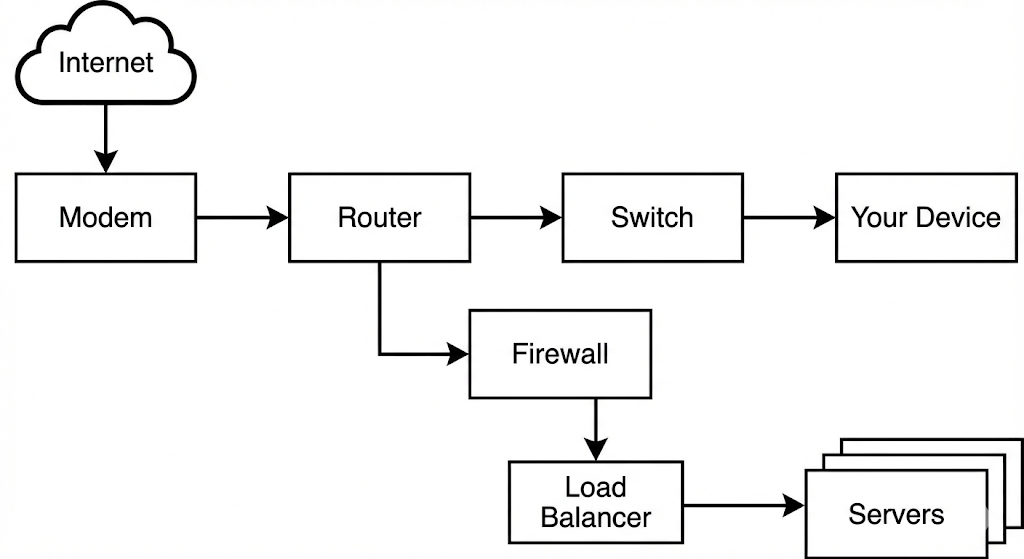
Lets understand the purpose of each of these devices.
What is a Modem?
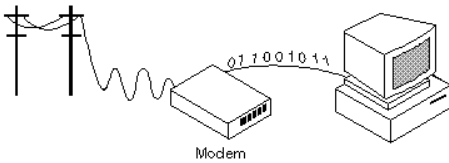
A modem connects your home or office network to your Internet Service Provider (ISP like airtel, jio) etc. It acts like translator. Its main purpose is to translate the signal between ISP’s network (fiber, cable, DSL) to local digital network. In simple words modem converts analog signals to digital signals(which are understood by computers).
What is a Router?
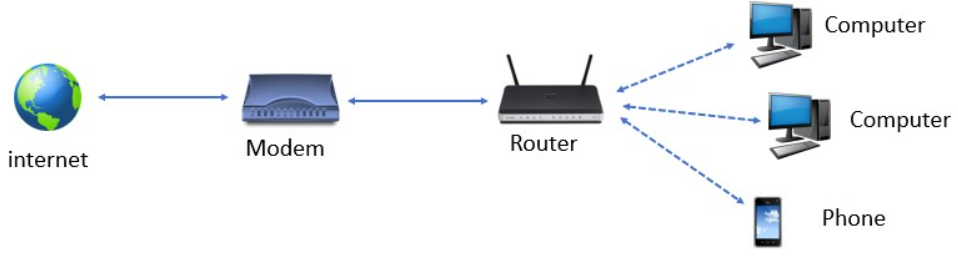
A router decides where your data should go. It acts as traffic police which directs the flow of data packets in internet. It connects your local network to the modem and then the internet. Its main job is to check the IP address and ensure the secure transfer of data.
Switch vs Hub: how local networks actually work?
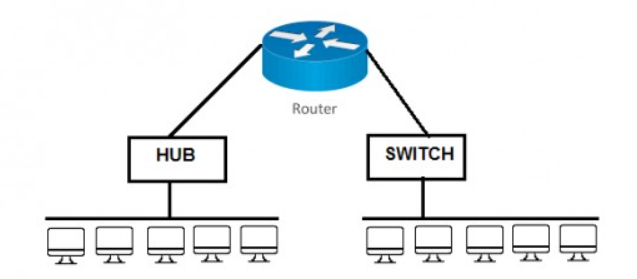
Both connect multiple devices in a local network, but they behave very differently.
Hub sends incoming data to every device, even if only one device needs it. Its like broadcasting message to everyone.
Where as switch sends data only to the intended device.
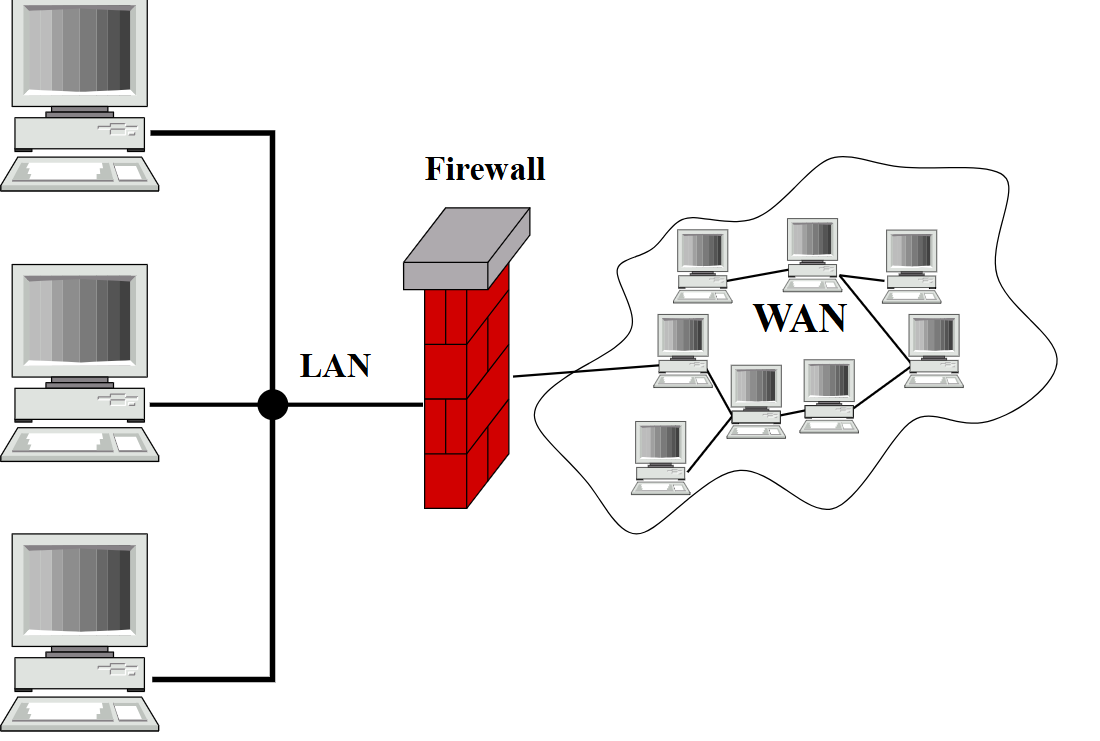
What is a Firewall?
A firewall monitors and controls incoming and outgoing network traffic based on security rules. Its main roles is to decide which traffic is safe which traffic is suspicious. You can imagine firewall as a security guard at the gate checking who is allowed to enter your building.
It protects your device from hackers, malwares, etc.
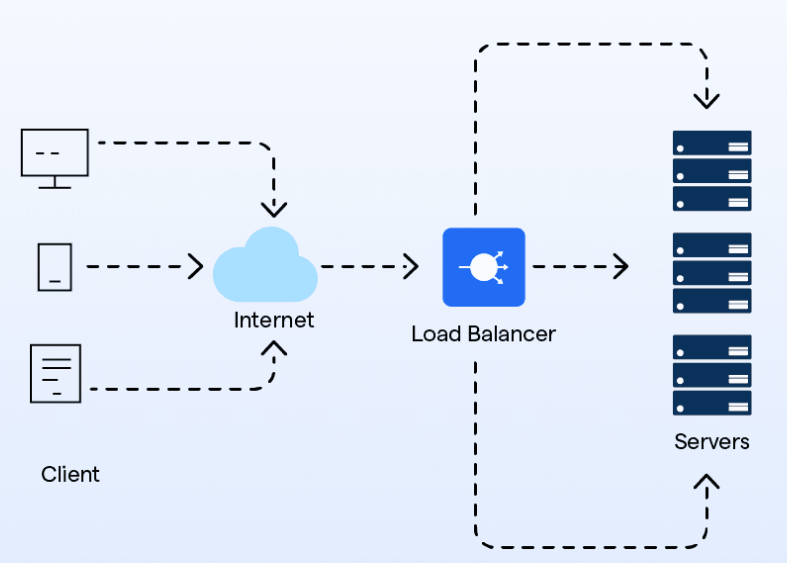
What is a Load Balancer?
Load balancer is traffic distributor for a server. Its main job it to divert traffic to different servers so that a single server does not get overwhelmed with multiple requests.
How All These Devices Work Together?
Let’s say you open google.com from your PC at your office. Now your device sends data to local switch. Switch pass this data to router. Router decides the traffic through which the data can be send in minimal cost(time). Then this data is send to modem which sends the signal to your ISP. Then eventually this data reaches to firewall which checks whether the request is safe or not. Then it send request to load balancer which decides to which server this request need to be send. And at last request reaches to the server and this whole process goes in reverse direction as well.
Comments
Join the discussionNo comments yet. Be the first to comment.